

Did you know that listings with high-quality visuals receive 94% more views than those without? In today’s fast-paced digital marketplace, your visual presentation is often the deciding factor for a potential customer.
Navigating the landscape of modern design software can feel overwhelming for busy entrepreneurs. This guide serves as your friendly roadmap to the top-rated solutions available today. We will explore how these platforms streamline your workflow while maintaining professional standards.
To find the right fit, you should evaluate each option based on ease of use, pricing models, and specific feature sets. Our goal is to help you select reliable tools that turn simple concepts into polished, conversion-ready assets for your brand.
Key Takeaways
- Visual content significantly boosts engagement and conversion rates for online businesses.
- Modern automation tools simplify the creation of professional-grade marketing materials.
- Evaluating software requires looking at pricing, user interface, and output quality.
- Selecting the right platform saves time and reduces production costs for creators.
- Staying updated on emerging trends ensures your brand remains competitive in the digital space.
Introduction to AI Product Image Generators
Visual storytelling has entered a new era thanks to the rise of intelligent image generation software. These top AI image creation tools allow users to transform simple ideas into professional-grade marketing assets with just a few clicks.
What Are AI Product Image Generators?
AI product image generators are specialized software platforms designed to assist with creating, editing, or presenting product visuals. By leveraging machine learning, these tools can generate realistic backgrounds, adjust lighting, and even render 3D-like product placements from basic input images.
They act as a digital studio for your brand. Instead of relying on traditional photography for every single variation, you can use these innovative systems to experiment with different visual styles and settings.
Importance for Creators and Businesses
For modern businesses, speed and consistency are vital. Using top AI image creation tools helps teams develop concepts rapidly, allowing for quick visual experimentation without the high costs of traditional photoshoots.
These platforms provide several key advantages for your workflow:
- Efficiency: Drastically reduce the time spent on manual photo editing.
- Versatility: Easily swap backgrounds to match seasonal marketing campaigns.
- Scalability: Generate hundreds of product variations for social media content.
The following table highlights how these tools provide value across different business needs:
| Feature | Traditional Method | AI-Powered Method |
|---|---|---|
| Background Changes | Manual Photoshop work | Instant AI generation |
| Concept Testing | Expensive prototypes | Digital mockups |
| Asset Production | Slow, limited output | High-volume, fast output |
| Cost Efficiency | High overhead | Low subscription cost |
By integrating these solutions, companies can maintain a competitive edge in a crowded digital marketplace. Whether you are a small business owner or a professional creator, these tools offer a flexible way to enhance your visual presence.
Top Features to Look For
Evaluating advanced AI graphic design software involves more than just looking at pretty pictures. While novelty is exciting, your choice should be based on how well a tool fits into your daily production needs. Focusing on core functionality ensures that your investment supports long-term growth rather than just a one-time project.
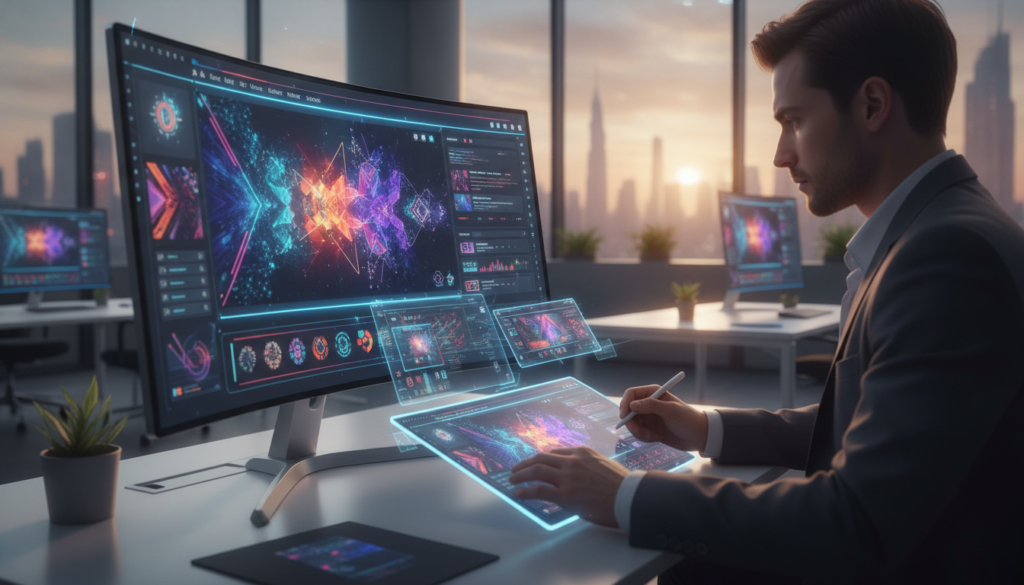
Image Quality and Resolution
The primary benchmark for any generator is the clarity of its output. You need high-resolution files that remain sharp when scaled for print or digital displays. Consistency in lighting, texture, and color depth is essential for maintaining a professional brand identity across all your visual assets.
User-Friendly Interface
A complex tool is only useful if you can navigate it without a steep learning curve. Look for platforms that offer simple controls and intuitive dashboards. This allows your team to focus on creativity instead of struggling with technical settings during a busy workday.
Customization Options
True power lies in your ability to control the final result. The best advanced AI graphic design software provides detailed prompt support, allowing you to refine specific elements of an image. Having the flexibility to maintain a consistent visual style across multiple generations is a critical advantage for any growing business.
Speed and Efficiency
Time is often your most valuable resource in a fast-paced market. You should prioritize tools that offer rapid generation times and export flexibility for various file formats. When a platform integrates smoothly into your existing workflow, it becomes a reliable partner for repeatable production rather than a bottleneck.
Ultimately, the right software should balance high-end output with practical, everyday utility. By weighing these specific requirements, you can select a solution that empowers your creative vision while keeping your operations running smoothly.
Leading AI Product Image Generators of 2026
The digital landscape is evolving quickly, offering creators a wide array of cutting-edge AI image generator programs to bring their visions to life. Each platform provides a distinct approach to visual synthesis, catering to different skill levels and project requirements. Understanding these differences helps you select the right tool for your specific creative workflow.

DALL-E 3
DALL-E 3 stands out for its exceptional prompt adherence and ease of use. It excels at interpreting complex instructions, making it a top choice for users who need precise results without deep technical knowledge.
This tool is ideal for businesses that require quick, accurate visual assets for marketing materials. Its integration with chat interfaces makes the creative process feel intuitive and conversational.
Midjourney
Midjourney is widely recognized for its artistic flair and high-resolution output. It is often the preferred choice for designers looking to create highly stylized, cinematic, or abstract imagery.
While it requires a bit more practice to master, the level of creative control it offers is unmatched. It serves as a powerful engine for artists who want to push the boundaries of digital aesthetics.
DeepAI
DeepAI offers a streamlined experience that prioritizes accessibility and speed. It is perfect for users who need a straightforward, no-nonsense solution for generating images on the fly.
The platform is particularly useful for rapid prototyping or simple social media content. Its minimalist interface ensures that you can generate high-quality visuals with minimal friction.
Runway
Runway is a powerhouse for those who need more than just static images. It provides advanced manipulation tools that allow for sophisticated editing and video integration.
This platform is best suited for professional creators and production teams. If your project involves complex visual storytelling, Runway provides the depth necessary to achieve professional-grade results.
Comparison of Pricing Models
When you explore AI technology for image creation, you will find a variety of pricing models designed to fit different budgets. Selecting the right plan depends heavily on your specific project needs and how often you intend to generate new visuals.

Free vs. Subscription-Based
Many platforms offer a “freemium” model, which allows you to test the software without an upfront cost. These free tiers are excellent for hobbyists, though they often come with strict usage limits and watermarked exports.
Subscription-based services are better suited for professionals who require consistent output. By paying a monthly or annual fee, you typically gain access to higher generation speeds, priority support, and full commercial permissions for your work.
One-Time Purchases
Some developers offer a pay-per-use or one-time purchase model instead of recurring billing. This approach is ideal if your need for AI technology for image creation is sporadic rather than daily.
You simply buy a set number of credits that do not expire, giving you total control over your spending. This method eliminates the pressure of a monthly subscription while still providing access to high-end features.
Value for Money
To determine the true value of a tool, you must look beyond the sticker price. Consider your total project volume and whether the platform offers the specific export options your business requires.
Efficiency is key when calculating your return on investment. A slightly more expensive subscription might save you hours of work, making it a better value than a cheaper, slower alternative. Always weigh the cost against the time saved using modern AI technology for image creation to ensure your budget is well-spent.
Understanding User Reviews and Testimonials
If you want to find the best innovative AI solutions for graphic design, you must look past the glossy sales pages. Marketing materials often highlight perfect outcomes, but they rarely mention the daily hurdles you might face. By examining user feedback, you can uncover the true performance of these platforms.

Insights from Creators
Professional creators often share detailed accounts of their workflows on forums and review sites. These insights are invaluable when evaluating innovative AI solutions for graphic design. Look for recurring comments regarding the learning curve of a specific tool. If many users report that a platform is difficult to master, you should prepare for a longer setup time before seeing results.
Pay close attention to mentions of real project outcomes. Does the tool handle complex textures well? Does it maintain consistency across multiple images? These practical details often matter more than the theoretical capabilities listed on a website.
Quality of Customer Support
Reliability is a major factor when you are running a business. When a tool fails or a subscription error occurs, you need to know that help is available. High-quality support is often reflected in reviews that praise fast response times and clear communication.
If you see a pattern of complaints about unresponsive support, it is a red flag. A tool might have great features, but it becomes a liability if you cannot get help when a project is on the line. Always prioritize platforms that demonstrate a commitment to their user base.
Community Engagement
A vibrant community is a sign of a healthy product. When you choose innovative AI solutions for graphic design, look for platforms that host active forums or social media groups. These spaces allow users to share tips, troubleshoot issues, and showcase their work.
Active community engagement often leads to better tutorials and shared templates. This collective knowledge can significantly shorten your own learning process. Remember to weigh these broader patterns against your own specific requirements rather than focusing on a single, isolated testimonial.
Applications Beyond E-commerce
You can unlock massive creative potential by applying AI-powered product image creators to your entire marketing ecosystem. These tools are no longer limited to simple product shots for storefronts; they have become essential assets for building a cohesive brand identity across every digital touchpoint.
Use in Marketing Campaigns
Marketing teams often struggle with the high costs of traditional photoshoots for every new campaign concept. With advanced generation tools, you can quickly visualize campaign themes, test different color palettes, and create high-fidelity mood boards without needing a full production crew.
This flexibility allows for rapid iteration during the brainstorming phase. You can easily maintain visual consistency across various advertisements, ensuring that your brand voice remains strong whether you are launching a seasonal sale or a new product line.
Content Creation for Social Media
Social media platforms demand a constant stream of fresh, engaging content to keep audiences interested. AI-powered product image creators help you generate platform-specific visuals that resonate with your followers on Instagram, Pinterest, or LinkedIn.
Consider these benefits for your social strategy:
- Generating lifestyle-oriented imagery that places your product in relatable, everyday settings.
- Creating eye-catching graphics for promotional posts that stand out in a crowded feed.
- Developing consistent aesthetic styles that make your brand instantly recognizable to your community.
Enhancing Online Portfolios
For designers and creative agencies, presenting work in a professional light is vital for winning new clients. You can use these tools to create stunning portfolio mockups that showcase your products or designs in realistic, high-end environments.
Adaptability is the key to success here. The most useful generator is often the one that can seamlessly transition from a clean, white-background product shot to a complex, stylized scene for your portfolio. By leveraging these technologies, you ensure that your work always looks polished, professional, and ready for the spotlight.
Tips for Getting the Most Out of Generators
Mastering the best artificial intelligence tools for image generation requires a blend of creativity and technical precision. While these platforms are powerful, the quality of your output depends heavily on the clarity of your input. By refining your workflow, you can achieve more predictable and professional results for your business.
Best Practices for Image Input
Start by providing highly descriptive prompts that leave little room for ambiguity. Instead of using vague terms, specify the lighting, camera angle, and color palette you desire. Including reference images can also help the AI understand your specific aesthetic requirements.
Consistency is key when building a brand identity. Always include your core brand instructions in every prompt to ensure that the generated visuals align with your existing marketing materials. Remember that while no prompt guarantees a perfect result, structured inputs significantly increase your chances of success.
Exploring Template Options
Many platforms offer pre-built templates that serve as a foundation for your creative projects. These templates are excellent for maintaining a uniform look across different social media posts or product listings. Experimenting with these structures allows you to save time while ensuring high-quality output.
You should view templates as a starting point rather than a final destination. Feel free to tweak the settings to better suit your specific needs. This approach helps you maintain a unique brand voice while leveraging the efficiency of automated design tools.
Regularly Updating Styles
The digital landscape changes quickly, and your visual content should evolve alongside it. Regularly refreshing your style parameters prevents your brand from looking outdated. By testing new artistic directions, you keep your audience engaged and interested in your latest offerings.
Utilizing the best artificial intelligence tools for image generation effectively means staying curious. Dedicate time each month to review your previous outputs and adjust your style guides accordingly. This proactive habit ensures your creative assets remain fresh, relevant, and visually striking.
| Strategy | Primary Benefit | Implementation Frequency |
|---|---|---|
| Detailed Prompting | Higher Accuracy | Every Session |
| Template Usage | Visual Consistency | Weekly |
| Style Refresh | Market Relevance | Monthly |
Future Trends in AI Product Image Generation
As we look ahead, the tools we use to craft product visuals are poised for a significant transformation. The leading AI software for product image design is moving beyond simple generation toward highly intelligent, context-aware systems. These advancements will likely change how businesses approach their visual marketing strategies.
Increased Personalization
Future platforms will likely offer deeper brand-aware generation capabilities. Instead of generic outputs, AI will learn your specific brand voice, color palettes, and aesthetic preferences to ensure consistency across all assets.
We expect to see more adaptable product scenes that automatically adjust to fit different seasonal campaigns or target demographics. This level of customization allows creators to maintain a unique identity while scaling their content production effortlessly.
Evolving AI Technologies
The underlying tech is becoming faster and more intuitive. As leading AI software for product image design continues to evolve, we anticipate the rise of automated catalog workflows that handle bulk editing with minimal human intervention.
These improvements will focus on precision and realism, making it harder to distinguish between digital renders and professional photography. By embracing these evolving technologies, businesses can stay competitive in a crowded digital marketplace.
Integration with E-commerce Platforms
The next frontier involves smoother publishing processes directly into your online store. Imagine a system that automatically updates your product images across multiple sales channels the moment you make a design change.
This seamless integration will reduce the time spent on manual uploads and formatting. When choosing your tools, prioritize flexible platforms that can grow alongside your commerce needs. Investing in adaptable software today ensures you are ready for the innovations of tomorrow.
Challenges and Considerations
While AI tools offer incredible creative freedom, they also introduce complex challenges for modern businesses. Navigating this landscape requires a proactive approach to ensure your creative assets remain secure and compliant with industry standards.
Copyright and Ownership Issues
Understanding the legal status of your output is a critical first step. Many platforms have specific clauses regarding AI product image generator copyright that dictate who owns the final file.
You should always review the platform’s terms of service and licensing conditions before generating assets. Pay close attention to how the software handles training-data policies, as this can impact your ability to claim exclusive rights to your visuals.
Ethical Use of AI-Generated Images
Maintaining transparency is essential when integrating synthetic media into your marketing strategy. Adhering to AI-generated image ethics means being clear about where your content originates.
Consider implementing disclosure expectations for your audience. Being open about the use of AI helps build trust with your customers and ensures you align with evolving industry standards for digital content.
Potential Pitfalls for Businesses
The commercial use of AI images carries inherent risks that every brand must evaluate. Without proper vetting, you might inadvertently use assets that infringe on existing brand permissions or intellectual property.
For high-stakes commercial campaigns, we strongly recommend seeking a professional legal review. This extra step protects your brand reputation and ensures your visual assets are fully cleared for public distribution.
| Consideration Area | Primary Risk | Recommended Action |
|---|---|---|
| Legal Ownership | Unclear copyright status | Review platform terms |
| Ethical Standards | Lack of transparency | Disclose AI usage |
| Brand Safety | Intellectual property conflict | Consult legal counsel |
Conclusion: Choosing the Right Generator for You
Finding the right software requires a clear look at your specific business goals and creative workflow. The Best Ai Product image Generators in 2026 offer diverse capabilities that cater to different skill levels and project requirements.
Assessing Your Needs
Start by identifying your primary goals for visual content. Think about your budget constraints and the volume of images you need to produce each month. High-quality output remains vital for professional branding, but your choice should align with your daily operational capacity.
Making an Informed Decision
Review the pricing models and community feedback for platforms like Midjourney or DALL-E 3 before you commit. Weigh the importance of user-friendly interfaces against the need for advanced customization tools. A smart choice balances current feature sets with the flexibility to adapt as your brand grows.
Encouraging Creativity and Innovation
These tools serve as powerful partners in your creative process rather than replacements for human vision. Use the Best Ai Product image Generators in 2026 to push boundaries and experiment with new aesthetic styles. Your unique perspective provides the final touch that turns automated output into a compelling brand story.
FAQ
What are the Best Ai Product image Generators in 2026 for small businesses?
How do I choose between the various cutting-edge AI image generator programs available?
Is AI technology for image creation suitable for high-quality marketing campaigns?
What are the typical pricing models for the best artificial intelligence tools for image generation?
Can I use AI-powered product image creators for social media and portfolios?
What are the ethical considerations when using advanced AI graphic design software?
How can I get the most realistic results from my AI image generator?
What future trends should I watch for in leading AI software for product image design?